What we eat affects our mental and physical health. Think about the last time you ate or drank something that not only upset your stomach, but also made you feel aggravated or short-tempered.
Have you ever felt jittery and anxious without thinking there was an obvious stressor in your life? Likely something you consumed was the culprit.
Lots of times we don’t really think about connecting the food we eat to our feelings or mental health. But how we eat affects how we feel physically and mentally, as well as how we look and age.
The key to making food choices that contribute to living a healthier and happier life is to focus on thriving, not depriving. Think of fueling your body AND mind.
Why What We Eat Matters So Much
The bottom line is that the food we eat becomes our cells, our blood, our organs, our bones – every single part of us. So, why would we fuel our body with junk?
We both know the answer – because it’s everywhere, it’s easy, and we’re bombarded with advertising and mixed information!
My Younger Years
When I look back at how I ate in my younger years, I cringe. But I didn’t really know any better. I understood that overeating made people gain weight, and I didn’t worry about that too much because I was very physically active. But I didn’t understand how the food industry really works.
I didn’t realize that my daily packaged banana nut bran muffins and granola bars advertised as “healthy” were full of artificial ingredients and empty calories….or that those little fat-free yogurt parfait cups were loaded with fake sugar and fillers and contained hardly any real fruit, protein or calcium.
Those are just a couple of examples of how I was fooled into thinking my diet was healthy. Even friends would comment about how healthy they thought I ate because they were fooled, too. Like I did, they saw the bran muffin and the well-known little plastic container with a “healthy” brand name….not the hidden sugar, dangerous oils, etc.
And….when I ended up in hospitals a few times sick with severe digestive issues, I was only told to reduce stress and take antacids. Not one question about what I was eating that might be triggering my problems. One doctor did tell me I should drink lactose-free milk, which we now know still can cause digestive distress for many people.
We’ve Been Deceived
We’ve been told to eat low-fat, nutrient-deficient foods….and then we wonder why we’re always hungry, tired, unhealthy, and struggling to maintain a healthy weight.
We think it’s our fault! But we’ve been following bad advice for too long.
Don’t get me wrong. I love a sweet treat now and then….as well as pasta and other foods some might consider bad. I let my son enjoy candy and drink sodas and Gatorades sometimes.
It’s just that we can’t eat junk and expect to feel energized, perform well, thrive and avoid disease. BUT we also don’t want to obsess over every little thing that goes into our mouths.
That’s why my work with clients focuses on eating and getting healthier, nourishing your body and giving it what it needs to thrive with whole foods.
Fueling Your Body for Optimal Health
The foods you eat can have a DRAMATIC impact on how you look and feel (your mood, energy levels, brain power, skin, hair, etc.), as well as how you age.
Food is also FUEL for your body; it’s what gives us energy and helps us perform and live fully.
That is the necessary mindset to develop a healthier relationship with food. Once you see food as fuel first and foremost, you can set yourself up for a lifestyle shift that will result in achieving your health goals.
Whether your goals include:
- more activity,
- better digestion,
- glowing skin,
- greater energy,
- stronger immunity,
- balanced hormones,
- steady moods, or
- maintaining an ideal weight range,
….your best first step is to start with food.
While calories do count for something, good health depends on far more complex factors – and simply reducing calories (or fat) isn’t the answer. The foods you eat exert a powerful psychological influence, stronger than any act of willpower: They influence your hormones, silently directing your metabolism. They affect your digestive tract, your body’s first line of defense. And they impact your immune system and your risk for any number of diseases and conditions. Your good health starts with the foods you eat. – Dallas and Melissa Hartwig, authors of‘It Starts with Food
Let’s Cover Some Basics for Fueling Your Body
Fuel for your body comes in the form of macronutrients (protein, fat and carbohydrates) and micro-nutrients (vitamins and minerals). Whole food (think real food) macronutrients contain the highest levels of micronutrients, which are critical for our health and well-being.
Micronutrients are lacking in diets that include a lot of processed foods. This is why focusing on the quality of food and maximizing your intake of nutrients is so important and why our focus is not all about counting calories. When we eat processed foods, we are getting very few vitamins and minerals.
Counting calories may be helpful, but it’s important to remember to always choose quality over just the number of calories a food contains. For example, chips worth 200 calories are not going to give you even close to the amount of what your body needs in nutrition as the 200 calories in a fruit, vegetable or other whole food.
A Breakdown of the Macronutrients for Fueling Your Body
Protein
Protein is an important essential nutrient because your body uses it to build new cells, maintain tissues, and synthesize new proteins that make it possible for you to perform basic bodily functions. Proteins are nutrients that are essential to the building, maintenance and repair of your body tissues such as your skin, internal organs and muscles. They are also the major components of your immune system and hormones. Proteins are made up of substances called amino acids — 22 of which are considered vital for your health. Your body can make 14 of these amino acids, but the other eight, known as essential amino acids, must be obtained from what you eat. – Dr. Mercola

A great source of protein, Tuna Burgers cooked with coconut oil….yum!
Where Do You Get Protein?
Protein is found in both animal and plant foods such as: meat, chicken, fish, eggs, nuts, seeds, dairy products, legumes, grains and some vegetables.
Protein helps you feel satiated (feeling full and satisfied), so it’s good to incorporate it into every meal. It also helps stabilize blood sugar levels and minimize cravings and mindless munching.
Each person has different protein needs based on their weight, age, fitness level and other factors. By incorporating different types of protein into your diet, you can learn which proteins work best for your individual requirements. Tracking what you eat and noting how you feel and how your body responds will give you a clear picture of what you’re consuming and what makes you feel the best.
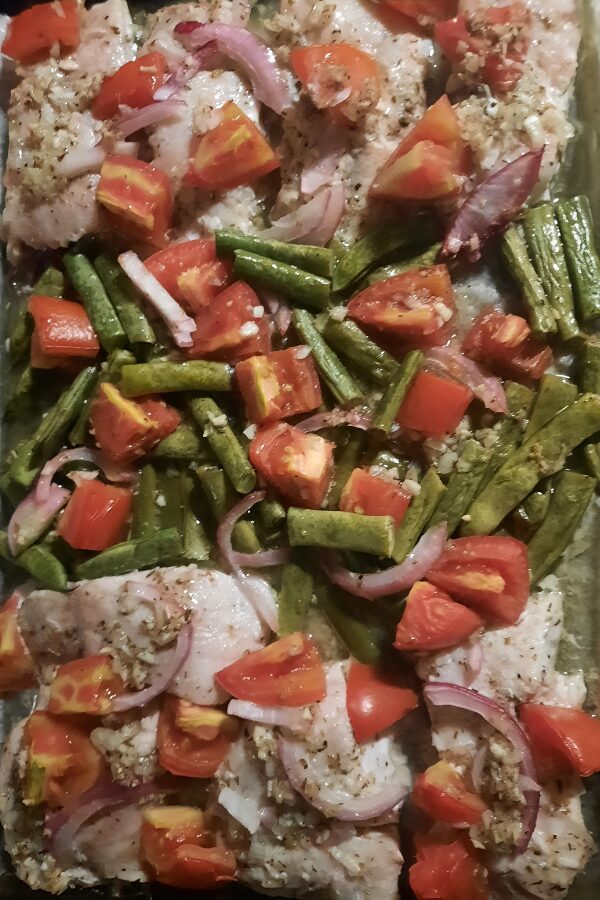
Chicken and Veggie Sheet Pan meal….so easy!
Carbohydrates
Carbohydrates are important for our bodies for many reasons, including giving ENERGY to our cells and aiding in recovery from physical activity. Many carbs can also be good sources of fiber, a plant-based nutrient important for digestive health.

Where Do You Get Carbohydrates?
Carbohydrates can be categorized as refined or unrefined, processed or unprocessed, simple or complex.
Unrefined carbohydrates are full of nutrients, fiber, vitamins and minerals necessary for the production of energy in the human body. Examples of unrefined carbohydrates include: vegetables, fruits, beans, nuts, seeds and whole grains.
By adding lots of these fresh, whole foods into your diet, a big benefit you may notice right away is improved digestion and elimination.
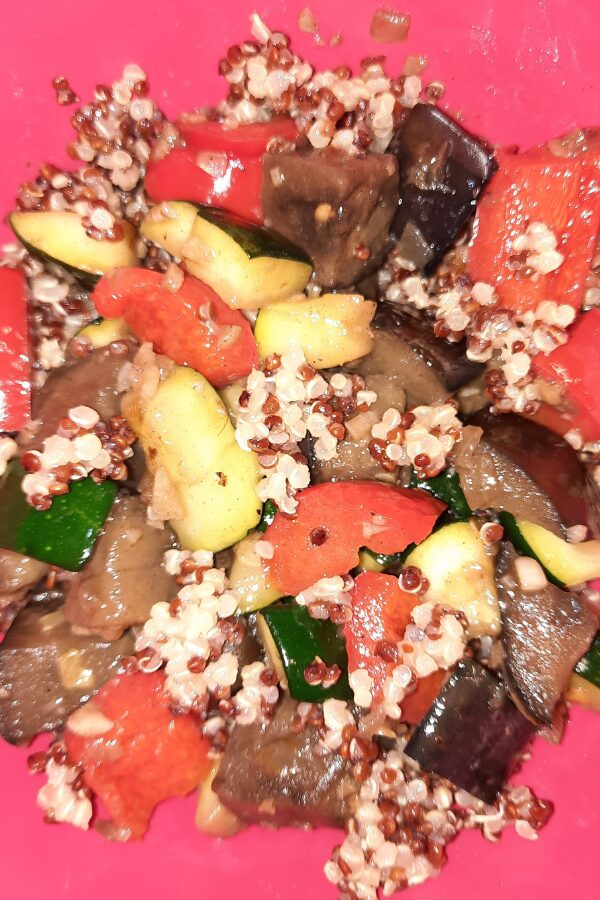
Delicious Quinoa and Veggie Bowl with zucchini, bell peppers and eggplant.
Refined carbs are stripped of nutrients, and additives and chemicals have been added to replace what was taken out. Many of the additives are addictive and harmful to our health. These foods often cause us to have energy crashes and put us on the sugar roller coaster ride.
Refined carbohydrates include foods such as: packaged cereals, white bread, white rice, white flour, chips, most pasta, cakes and candy.
These foods, obviously, are best to limit in your diet. That doesn’t mean you can’t enjoy a ‘treat’ now and then, but just be conscious of how much you consume each day.
Awareness is the first important step, and this is where tracking your food can be very helpful.
One thing NOT to focus on: feeling guilty about food!
Food is meant to be enjoyed, and the healthier choices you make each day, the better you will feel and the less frequently you’ll even WANT the processed, refined and less nutritious options. Your body will start to CRAVE the healthy foods!
Fats
Consuming sufficient amounts of fat in the right forms and proper proportions has been shown to offer significant health benefits, such as:
- strengthening the immune system
- enhancing brain and nervous system functions such as mood, intelligence and behavior
- reducing risk of cardiovascular disease
- increasing energy and performance
- giving you healthy skin, hair, and nails
- regulating body weight
- improving organ and gland function
- optimizing hormone function
- supporting absorption of fat-soluble vitamins like A, D, E and K
“But, wait, I though fat was bad for me!”
This train of thought is due mostly to the debacle called the “Low-Fat Diet Craze” that caused most Americans to run scared from all dietary sources of fat. The fat was replaced with sugar and other chemicals to make foods taste good. This did not bode well for our health or our waistlines.
I fell for the “low-fat diet craze” in the 90’s….that was when I experienced all those digestive issues I wrote about above.
The time period of the low-fat diet craze is when the rate of obesity in this country really started to skyrocket. In fact, some medical sources now refer to the low-fat diet fad as “the great American experiment in obesity.”
Read this:
Consuming dietary fats does not mean that you will get fat; in fact, fats and oils are essential to optimal health. Your body needs fats to build cells and manufacture key hormones. Just as with all foods, however, you must consume high-quality fats and oils for your body to effectively use them—remember, you are what you eat. — Paul Chek, Eat Move and Be Healthy
Which Healthy Fats Will Fuel Your Body?
Healthy fats are found in foods such as meat, eggs, nuts, seeds, and oily fish, like salmon. Purchase the highest quality your budget allows.
Other good fat sources include olive oil, coconut oil and avocado (i.e. olive oil as part of salad dressing; coconut oil for cooking, baking and more; and avocado in smoothies or on your sandwich or salad). Remember you only need to eat a little of these to get all the benefits from fat.
A good fat source should generally come from an organically grown, plant-based source with minimal processing to preserve its “raw” nutrient state. Look for oils that are virgin and cold pressed and have not undergone a distillation or purification process.
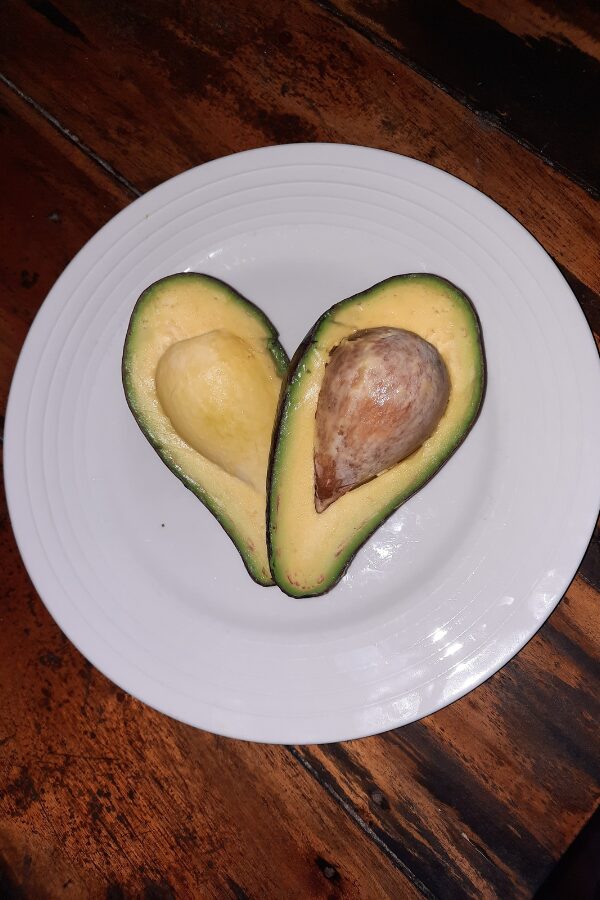
In addition to olive, coconut and avocado oil, there are many other oils you can include in your diet: hemp seed oil, flax seed oil, and pumpkin seed oil. They each have a different taste so try some and see what you think.
Fats and Heat
Not all fats/oils are stable at higher heat points. Oil for cooking at high temperatures above 350º include: clarified butter (ghee), lard, coconut oil and avocado oil. Olive oil is reported to be fine for low to medium temperatures up to 325º; I use it for salad dressings and when sauteing on low-medium heat. My husband chooses to cook with lard, which can stand high heat and has many nutritional benefits.
When you add healthy fats/oils to your diet, you may also notice an improvement in your skin texture, including smoothness and a reduction or elimination of dry skin patches.
Unhealthy fats abound in fast foods, processed foods, chips, crackers, cookies and many snack foods. These packaged foods contain highly processed hydrogenated oils that cause inflammation in the body, a leading cause of chronic diseases.
Just like adding protein to your meal will help keep you full longer, adding some healthy fat will do the same. Ideally, you want to have some protein, carbs and a little healthy fat at each meal to have a healthy, balanced diet.
Note:A great way to track your macronutrients, as well as some micronutrients, is to use an app like MyFitnessPal or Cronometer.
Your Optimal Ratios of Protein, Carbohydrates and Fat
First of all, realize that there is no set ratios for anything. Your unique metabolism and life will respond to varying degrees of foods and ratios and there is a trial and error component within this.
Some people prefer to eat a higher volume of food and thus prefer a high carbohydrate diet including lots of vegetables, fruits, beans, nuts, seeds and whole grains. People who workout a lot, or at high levels, often prefer to fuel up on healthy carbs. Some people also report feeling like their brain functions better due to the high amount of glucose energy from carbs. But some people feel too bloated after eating too many carbs.
Secondly, some people feel they run smoother eating higher amounts of healthy fat. They feel like their energy is more sustained and their blood sugar levels are more controlled. Some people report feeling more focused.
As for protein, I suggest to shoot for anywhere between 0.5 – 1.0 grams per pound of body weight per day. It’s especially important to choose high quality sources of protein from whole foods in order to ensure that your body absorbs and assimilates those proteins. Try not to exceed 20-30g per meal as that is about the maximum amount your body can absorb and assimilate at one time.
A Balanced Plate
Your plate, or your day, could look anything like this:
- 50-70% carbohydrates + 10-30% healthy fats + 20% proteins
We’ll talk about portions more in a later lesson, but for now start experimenting with these ratios and see what feels good for you.
Set Yourself Up for Success–Begin Your Day Right
One great first step is to consider changing up your breakfast meals. Most people start their day with high carb breakfast foods, and not usually quality carbs. Try adding some protein to your breakfast. You’ll likely discover that you will feel full longer and not experience a mid to late morning crash.

Simple, high protein banana pancakes slightly browned in coconut oil.…a Stark family favorite! Spread some nut butter on top for extra protein and yumminess!
See what works. Be open to trying new foods. Try a different breakfast each morning for a few days and see which ones give you sustained energy, keep you full longer, and have you feeling better.
You can find some great breakfast options in my Food-Mood Recipe Guide. Banana Pancakes are one of our favorite breakfast choices, and I wrote about several variations. I LOVE the chia seed pudding recipes as well. Sometimes a simple banana smeared with nut butter or half an avocado stuffed with leftover ground beef fills me up nicely in the morning.
This is just a start.
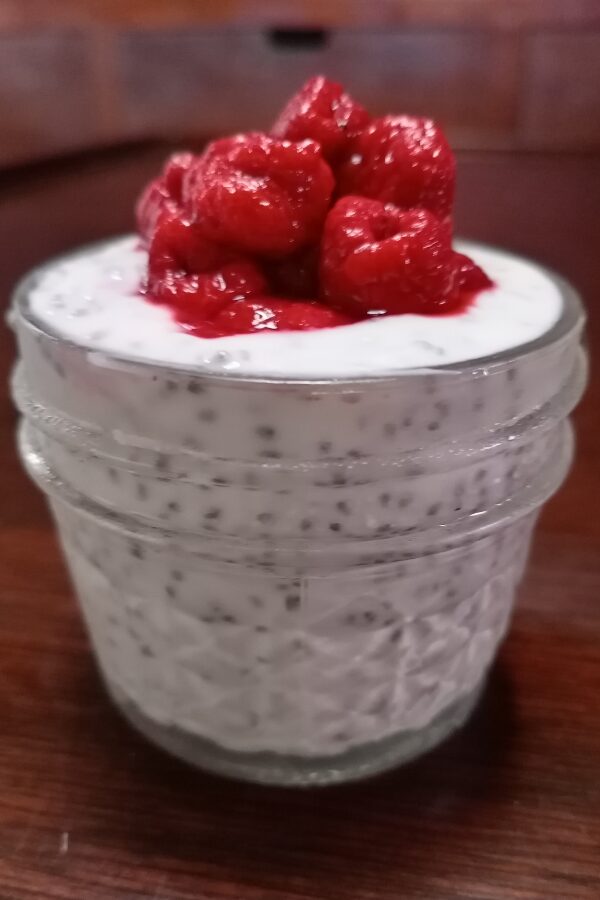
Raspberry Chia Seed Yogurt Parfait....sooo delicious!
A Few Key Take-aways to Fuel Your Body:
- Try different foods for breakfast – notice how you feel and how much energy you have after eating different foods in the morning. Also, notice which breakfast options kept you full longer
- Experiment with different ratios of carbs and healthy fats, but make sure you’re getting plenty of protein.
- Use a food-logging app like MyFitnessPal or Cronometer to get an idea of how much protein, fat and carbohydrates you are getting each day. You can also track your intake of fiber, sugar and more with these apps.
- Use my Food-Mood Journal to track what you’re eating and how you feel.
- Consider how you feel after you eat any meal so you can tune into what makes you feel better or worse.
Click here to grab my Food-Mood Recipe Guide full of easy, healthy recipes and meal plan ideas that you and your family will love! (Food-Mood Journal included as a bonus)

Hi! I’m Jennifer, your life, love and wellness coach! I help men, women and couples figure out what’s keeping them from being happy and healthy so they can overcome those blocks and determine and implement steps to truly improve their lives, relationships, and physical and mental health. I’m a certified Professional Life Coach and Holistic Health Coach with a background in professional counseling. I’m ready to help you. jennifer@starkwellness.com